


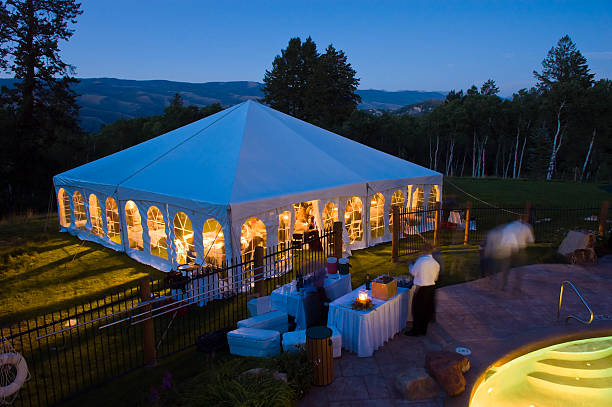
Planning a successful outdoor social event requires selecting the perfect shelter infrastructure for your guest list. Homeowners and commercial event planners frequently struggle to identify which structural design fits their venue layout best. Choosing an incorrect canopy setup can lead to collapsed frames, ruined lawns, or cramped seating arrangements.
Investing in the correct tipos de carpas para fiestas ensures a safe, comfortable environment for your social gatherings. Different engineering designs solve distinct spatial challenges, weather risks, and installation time limits on site. This comprehensive procurement guide highlights three main structural architectures to help you optimize your upcoming outdoor event.
1. The Structural Blueprint: Three Essential Party Tent Types
Selecting the ideal outdoor canopy requires matching your landscape surface to the correct engineering layout. Avoid venue installation failures by reviewing these three popular commercial design architectures:
        Three Distinct Event Engineering Architectures:
 ┌──────────────────────────────────────────────────────────────────────┐
 │ 1. Frame Tents: Self-supporting metal grids with open floor space.  │
 │ 2. Pole Tents: High peak fabric structures anchored into soft turf.  │
 │ 3. Pop-Up Canopies: Light, folding scissor frames for quick setups.   │
 └──────────────────────────────────────────────────────────────────────┘
Rigid Frame Tents
Rigid frame structures utilize a self-supporting aluminum or steel skeleton to hold up the fabric canopy roof. Because this smart engineering design requires no interior center poles, guests enjoy 100% open, unobstructed interior floor space. Además, installation crews can erect these versatile structures on hard concrete driveways, wooden decks, or grass lawns safely.
Traditional Pole Tents
Traditional pole systems rely on tall central support pillars and tensioned perimeter guy ropes for structural stability. This setup creates an incredibly elegant, sweeping roof profile with beautiful high peaks that look fantastic at upscale weddings. Sin embargo, crews must drive heavy steel stakes deep into soft ground surfaces like grass fields to secure the lines.
Instant Pop-Up Canopies
Instant pop-up designs feature a lightweight, integrated scissor frame that expands outward in seconds like an accordion. These budget-friendly shelters work best for small, casual family gatherings or brief afternoon patio shade setups. A single operator can deploy the shelter easily without using specialized construction tools or heavy anchoring machinery.

2. The Event Match Matrix: Selecting Your Layout Strategy
Do not buy a temporary event shelter based on pricing or superficial fabric colors alone. En cambio, evaluate your specific venue floor conditions by following this clear engineering selection matrix:
| Event Venue & Spatial Requirements | Recommended Structural Architecture | Primary Ground Anchoring System Direction | Target Event Scale |
| Driveways, Patios, & Tight Decks | Heavy-duty unobstructed frame layouts | Weighted ballast drums or concrete anchors | Medium to Large Scale |
| Expansive Open Grass Lawns | Elegant high-peak traditional pole designs | Deep-driven heavy perimeter steel stakes | Elite Formal Scale |
| Casual Backyard Barbecues | Lightweight portable pop-up canopy blocks | Light ground pegs and sandbag weights | Small Casual Scale (Under 50) |
3. Floor Space Efficiency vs. Elegant Visual Aesthetics
The physical layout of your guest dining tables dictates which structural design will serve your event plan best.
 Rigid Frame Grid:  [No Center Pillars] ──> 100% Clear Floor Plan ──> ♻️ Flexible Table Layouts
 Tension Pole Set:  [Tall Center Poles]  ──> Blocks Interior Vision  ──> ❌ Must Arrange Seats Around Poles
Clear frame structures allow caterers to place dining tables, dance floors, and stages anywhere inside the covered enclosure. Guests can walk around freely because no interior metal pillars block their line of sight or restrict movement.
En cambio, traditional pole designs feature large structural pillars right in the middle of your main event floor space. You must plan your seating layout carefully to prevent these large support columns from blocking views of the stage.

4. Installation Logistics and Ground Surface Adaptation
Understanding your venue’s ground composition represents a critical step in choosing the right tipos de carpas para fiestas.
Hard Concrete Patios ──> Cannot Drive Deep Stakes ──> ❌ Pole Tents Fail ──> ♻️ Use Weighted Frame Tents
If you plan to host a party on a concrete parking lot, traditional pole designs will fail. These tension-based structures require deep grass staking to stay upright and stable against strong seasonal wind gusts.
For hard surfaces, choosing a rigid metal frame allows you to secure the structure using heavy sandbags or water weights. This setup provides excellent wind protection without drilling holes or damaging expensive residential brick patios.
Conclusión: Secure Your Outdoor Event Success
Executing a flawless outdoor party requires choosing reliable, high-utility shelters that keep guests comfortable in any weather.
Stop risking your special family memories on fragile, unoptimized pop-up tents that buckle under minor wind or rain. Upgrading your inventory to our advanced tipos de carpas para fiestas ensures absolute structural safety and flexible layout configurations. We engineer every aluminum joint and fabric seam to guarantee maximum stability and a gorgeous cosmetic finish on site.
Contact the Upal outdoor equipment team today to request custom wholesale pricing and secure your next premium event structure.