

Growing Demand for Portable Outdoor Shelter Solutions
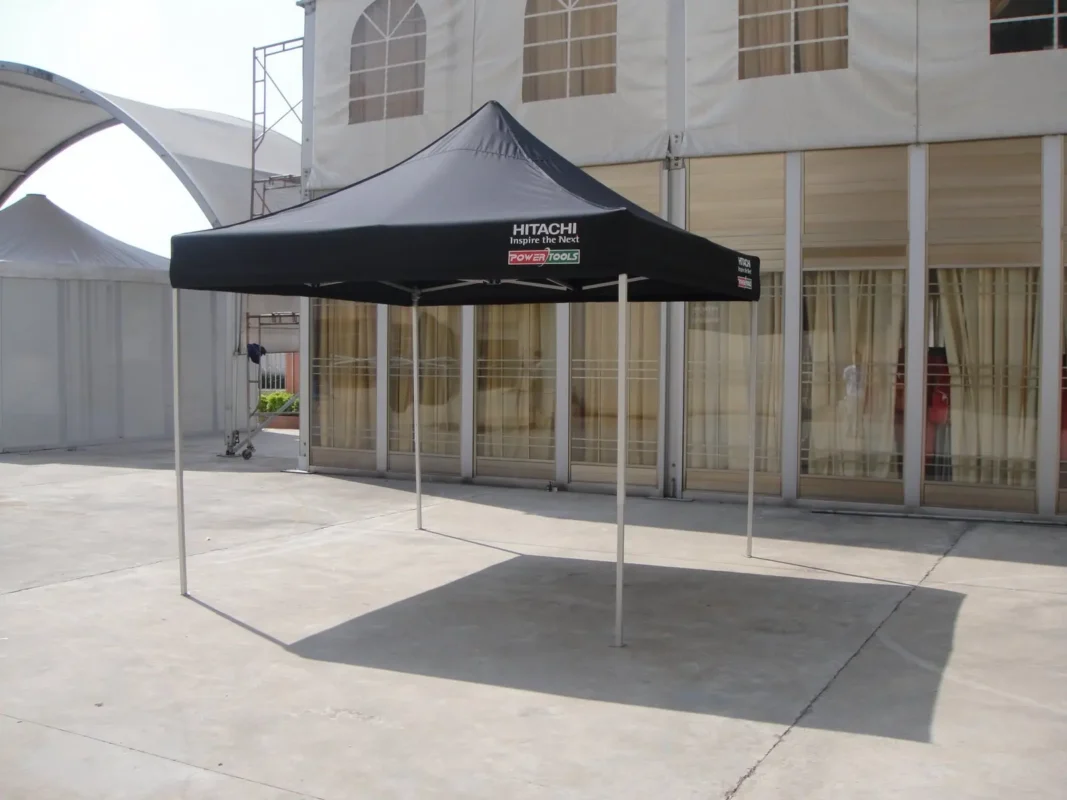
Global demand for portable outdoor shelter solutions has grown significantly in recent years. This rapid expansion drives the constant growth of the outdoor tent supply market worldwide. Today, temporary commercial activities and recreational lifestyles require highly versatile structures. بالتالي, the commercial custom folding canopy has become a vital tool across multiple industries.
Frequent outdoor exhibitions and bustling weekend markets create a strong need for reliable structures. Similarly, sports events and beach activities require durable yet lightweight equipment. لذلك, high-performance pop-up systems remain a key focus for global manufacturers. Modern event planners consistently seek setups that ensure quick installation and effortless transportation.
Evolution of Advanced Frame and Fabric Technology
Convenient Deployment Design
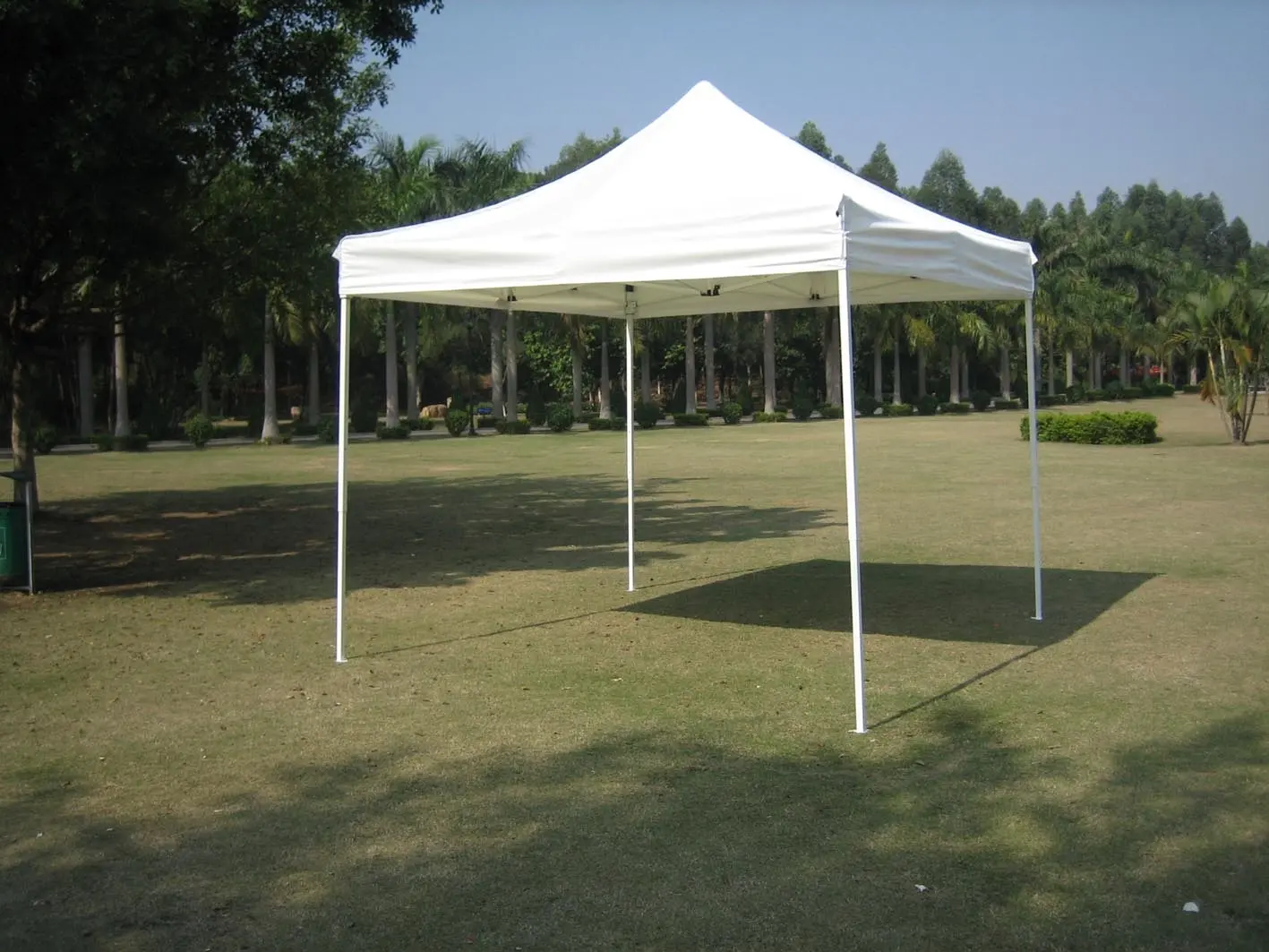
Modern pop-up canopy systems prioritize user convenience and quick operational efficiency. Most commercial models allow one or two people to complete the setup process within minutes. بالإضافة إلى, operators require absolutely no specialized tools during installation. This streamlined mechanism improves efficiency for busy vendors, منظمي المهرجان, and rental service providers.
Robust Frame Materials
Manufacturers continuously innovate frame engineering to balance structural strength with convenient portability. Powder-coated steel frames provide a highly cost-effective solution for standard usage. Meanwhile, heavy-duty reinforced steel structures serve high-frequency commercial environments brilliantly. بالإضافة إلى ذلك, premium aluminum alloy frames are gaining popularity due to their corrosion resistance.
High-Performance Textiles
Fabric technology also advances to meet demanding professional safety standards. Most modern canopy roofs utilize high-density polyester materials. These advanced textiles feature high-quality waterproof and UV-resistant protective coatings. بالإضافة إلى, upgraded fire-retardant fabric configurations fit public gatherings and professional trade shows perfectly.
Mobile Branding and Versatile Modular Accessories
Powerful Mobile Marketing Platforms
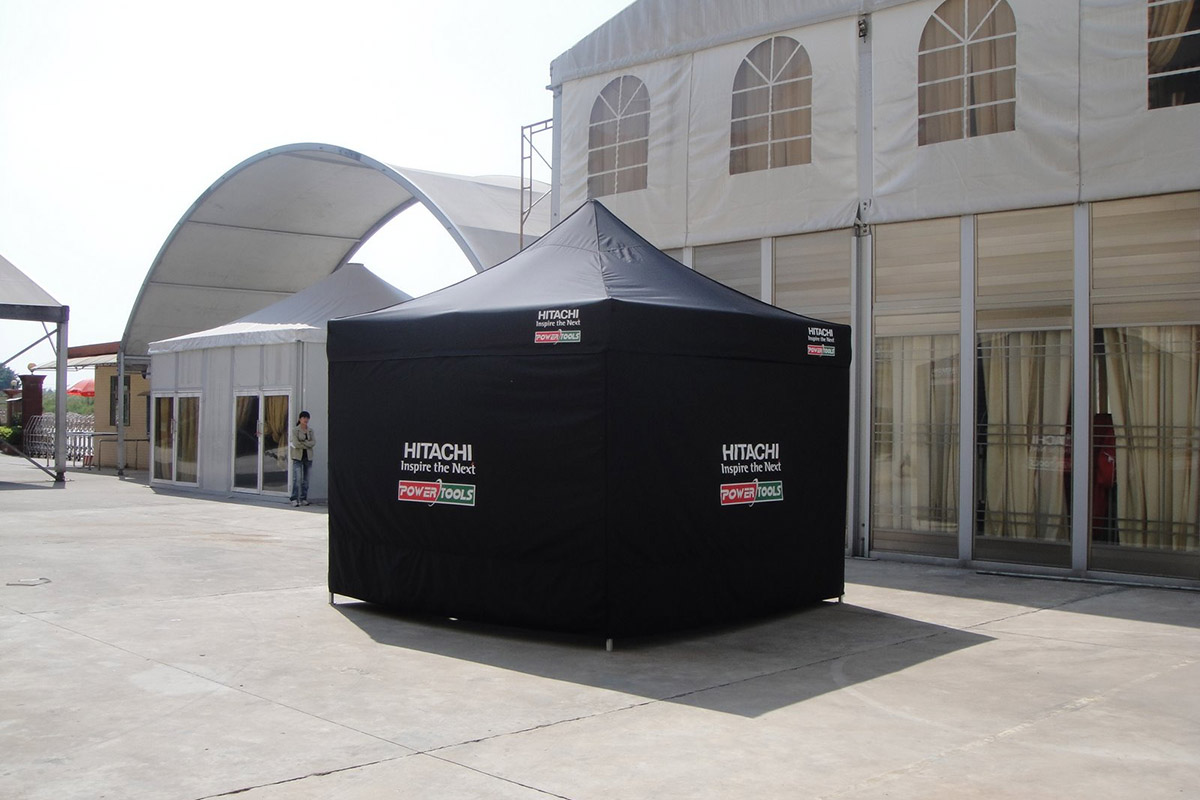
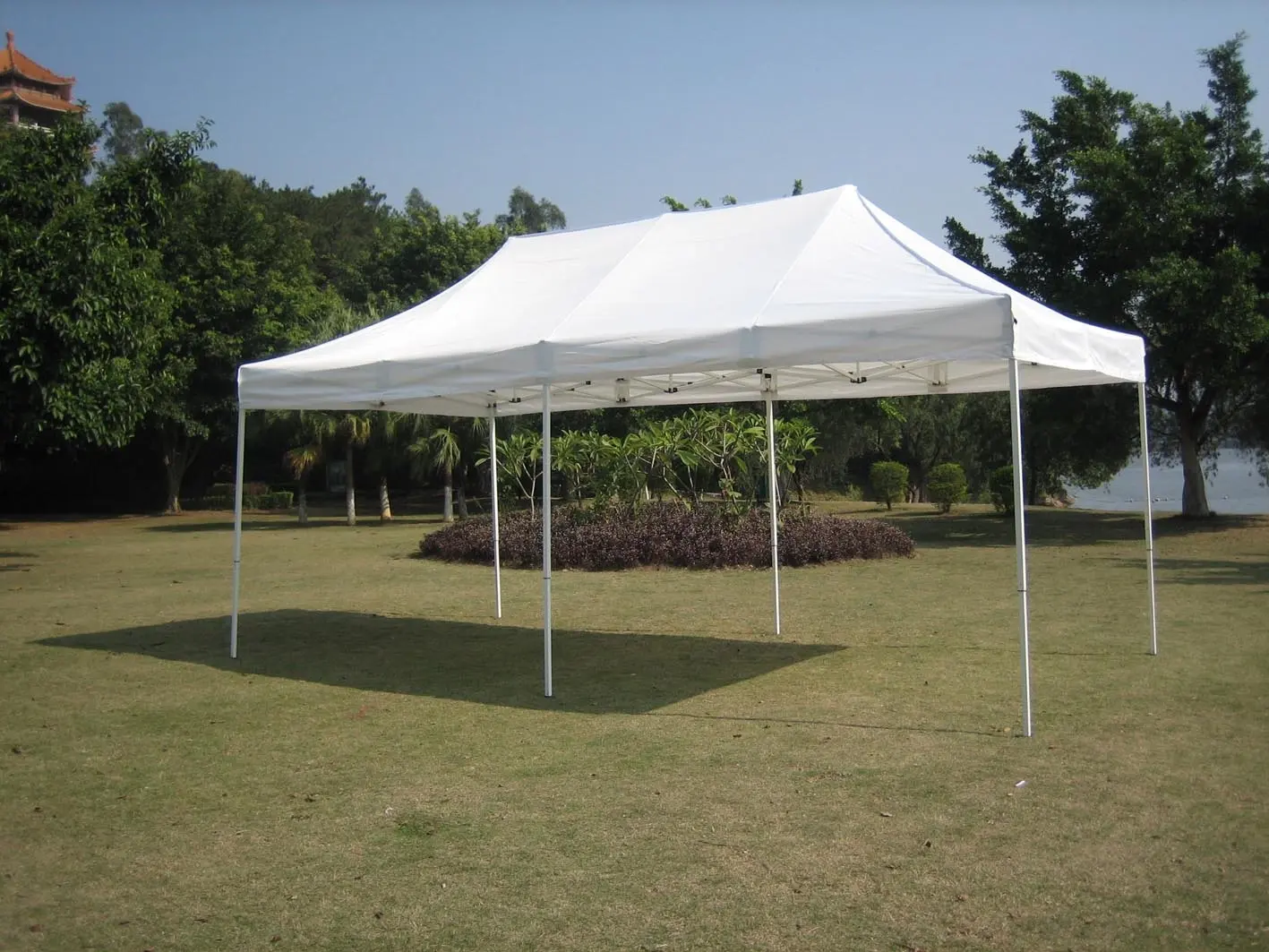
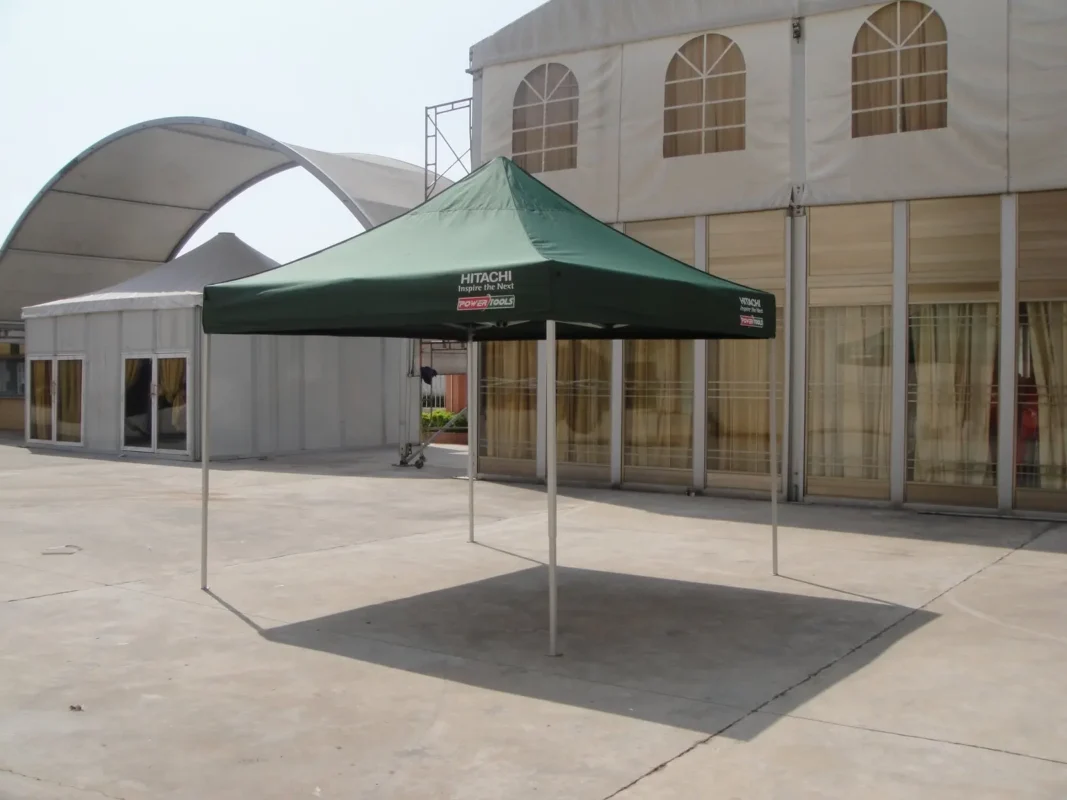
Commercial businesses increasingly transform pop-up tents into highly effective mobile branding platforms. Utilizing advanced digital printing technology, companies display logos and promotional graphics directly on fabric surfaces. بالتالي, Upal transforms a basic shelter into a powerful outdoor marketing tool. This customization enhances brand visibility during major exhibitions.
Flexible Modular Expansion
Optional modular accessories allow users to adapt their tents to changing weather conditions easily. Operators can add optional sidewalls, clear windows, and secure zipper doors smoothly. Moreover, rain gutters and weighted block systems improve wind stability significantly. This flexibility expands the overall application scenarios of your outdoor equipment assets.
Future Outlook for Global Outdoor Markets
Folding canopies no longer serve for simple personal use. بدلاً من, agricultural markets, food festivals, and emergency setups adopt these products widely. Their combination of durability and branding potential ensures long-term industrial market value.
Looking ahead, the portable shelter market expects continuous global expansion. Future manufacturing innovations will focus on stronger yet lighter composite materials. خاصة, we will introduce faster deployment systems to meet evolving customer needs.
ختاماً, Upal stands as your premier professional outdoor tent supply partner. We deliver high-quality, fully customized pop-up canopies for diverse commercial applications globally. Contact our expert service team today to discuss your project requirements and receive a fast quote.