


Emergency response agencies, international aid organizations, and municipal disaster management teams require immediate, reliable shelter solutions when crises strike. Because the first 72 hours following a natural disaster dictate survivor outcomes, selecting a high-performance humanitarian pop-up tent platform serves as a foundational pillar for life-saving operations. بالتالي, disaster relief procurement officers frequently look beyond commercial recreation gear, raising a crucial operational question: “Beyond trade shows, corporate events, and weekend camping, how do instant pop-up tents function in high-stress disaster response zones, ولماذا تعطي فرق إدارة الطوارئ الأولوية لهم على الهياكل التقليدية المصنوعة من الأعمدة والقماش?”
النشر بطيء, يمكن لأنظمة التأطير المعقدة خلال الأزمات الإنسانية المفاجئة أن تؤدي إلى تأخيرات خطيرة, مما ترك الأسر النازحة والفرق الطبية الميدانية معرضة للطقس القاسي. على العكس من ذلك, نشر الملاجئ المتخصصة سريعة الانتشار وإنشاء مناطق عمليات آمنة في غضون دقائق من الوصول إلى موقع الكارثة. يستكشف هذا الدليل الميداني الشامل B2B الأدوار الحيوية التي تلعبها الخيام الفورية في إدارة الأزمات, تفاصيل مزاياها الهيكلية, ويحدد إطار المشتريات الاستراتيجي للمنظمات الإنسانية.
1. النشر السريع: إنشاء ملاجئ منقذة للحياة في ثوانٍ
عند الزلازل, الأعاصير, أو الفيضانات تهجير المجتمعات, ويجب على عمال الإغاثة إنشاء قواعد عملياتية فعالة على الفور تقريبًا. Traditional frame tents require complex tool sets, multiple technicians, and hours of assembly time—luxuries that emergency teams simply do not have.
[Disaster Event Occurs]
        |
        v
[Rapid Logistics Dispatch] ---> Lightweight, pre-assembled tent frames shipped by air/truck
        |
        v
[Instant Field Setup]      ---> Pop-up mechanism deploys in <60 seconds without tools
        |
        v
[Immediate Operations]    ---> Immediate triage, shelter, and supply distribution begins
In sharp contrast, an advanced humanitarian pop-up tent features a pre-assembled, integrated frame that expands and locks into place in under sixty seconds. This instant setup capability creates an immediate “life corridor,” allowing relief workers to shelter vulnerable families, set up communications, and begin triage within hours of arriving at a disaster site.
2. Multi-Purpose Functionality: From Triage Units to Supply Hubs
Modern emergency management relies on versatile equipment that adapts to changing field conditions. Pop-up structures serve diverse operational needs across refugee camps and disaster response zones:
Mobile Field Hospitals and First-Aid Triage Stations
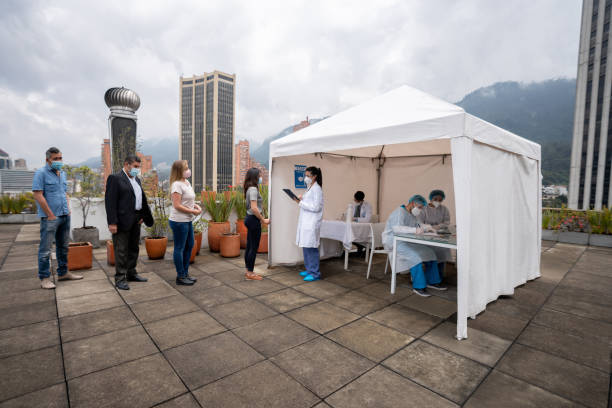
Medical teams quickly convert heavy-duty pop-up shelters into sterile, weather-protected mobile clinics. These units safeguard injured survivors, shelter delicate medical electronics, and store emergency pharmaceutical supplies away from direct sunlight, مطر, and dust storms.
Command Centers and Supply Distribution Hubs
Relief coordinators utilize large-format pop-up canopies as centralized logistics hubs. These hubs provide a covered space for distributing food rations, clean drinking water, and hygiene kits, while serving as weather-protected coordination offices for aid personnel.
Modular Shelter Networks via Tunnel Connectors
Advanced relief tents employ modular design principles, allowing field crews to connect multiple tents using sealed “tunnel connectors.” This modular approach allows agencies to expand small individual shelters into large, interconnected field hospitals, multi-room community centers, or scalable housing complexes for displaced populations.
Humanitarian Shelter Performance Matrix
| Operational Evaluation Metric | Traditional Frame & Canvas Tents | High-Performance Rapid Pop-Up Shelters |
| Assembly Time Per Unit | 45 to 120 minutes (Requires 3+ workers) | Under 60 seconds (Requires 1-2 workers) |
| Tool & Equipment Requirements | Mallets, poles, guy-line stakes, tensioners | Tool-free instant expanding scissor frame |
| Modular Expandability | Isolated individual structures | Interconnected tent networks via tunnel links |
| Thermal & Weather Insulation | Basic single-layer canvas | Insulated, UV-reflective, fire-retardant fabrics |
| Logistics Footprint | Heavy, bulky, loose poles; complex inventory | Compact, all-in-one folded profile for rapid transport |
3. Engineering for Harsh Environments: Weatherization and Structural Integrity
Disaster zones subject emergency equipment to extreme weather, ranging from freezing winter downpours to blistering desert heat. Sourcing agents must verify that emergency pop-up shelters meet strict environmental standards:
-
Thermal Insulation and Reflection: Premium disaster relief shelters integrate multi-layer fabric treatments featuring reflective outer coatings. These specialized fabrics block solar heat in hot climates while retaining internal warmth in cold conditions, reducing temperature stress on occupants.
-
Flame Retardancy and Weatherproofing: Emergency tents must utilize fire-retardant, high-denier polyester or PVC-coated fabrics meeting international CPAI-84 or NFPA 701 safety standards. Additionally, fully taped seams and high hydrostatic head ratings keep interior spaces completely dry during heavy downpours.
-
Wind Resistance and Anchoring: تستخدم الإطارات المخصصة للكوارث الألومنيوم المبثوق عالي التحمل أو دعامات مقصية من الفولاذ عالي الشد قادرة على تحمل هبوب الرياح العاتية عند تثبيتها بشكل صحيح بأكياس الرمل الموزونة وخطوط الربط شديدة التحمل.
4. إجراءات تحديد المصادر الإستراتيجية لموظفي المشتريات الإنسانية
وكالات المعونة الدولية, المنظمات غير الحكومية (المنظمات غير الحكومية), ويمكن لمسؤولي المشتريات الحكومية تحسين ميزانيات الاستعداد لحالات الطوارئ من خلال تنفيذ أفضل الممارسات الثلاث المتعلقة بالمصادر:
-
مواصفات الإعداد الفوري بدون أدوات: ضمان ولاية عقود الشراء متكاملة, إطارات قابلة للتوسيع خالية من الأدوات لضمان قدرة المتطوعين غير التقنيين على إقامة الملاجئ على الفور دون تدريب متخصص.
-
التحقق من قدرات الربط البيني المعياري: حدد أنظمة الخيام التي تتميز بمرفقات نفقية بسحاب أو فيلكرو قياسية. This feature allows field teams to link housing, sanitation, and medical modules together seamlessly as camp populations grow.
-
Evaluate Long-Term Storage and Shipping Footprints: Choose compact, fold-flat tent designs that maximize container loading density, reducing air-freight shipping costs and simplifying long-term warehousing in regional disaster preparedness depots.
Conclusion: Build Faster Disaster Response with Reliable Emergency Shelters
Effective disaster response requires emergency shelter solutions that support rapid deployment, reliable protection, and flexible field operations. Choosing the right humanitarian pop-up tent helps organizations provide safer and more efficient temporary housing during emergencies.
Modern emergency shelters simplify installation while offering strong weather resistance and modular expansion capabilities. لذلك, relief teams can quickly establish temporary facilities in different environments and changing conditions.
Our heavy-duty disaster relief tents feature durable frames, weather-resistant materials, and practical modular designs for humanitarian applications. In addition, each structure undergoes strict quality testing to support reliable performance in demanding situations.
Whether you support disaster response, emergency logistics, military operations, or humanitarian projects, our rapid deployment shelter solutions provide dependable infrastructure when it matters most. Contact our team to discuss technical requirements and customized bulk procurement options.